The Hours Nobody Writes About: Making the Most of Camp After Dark

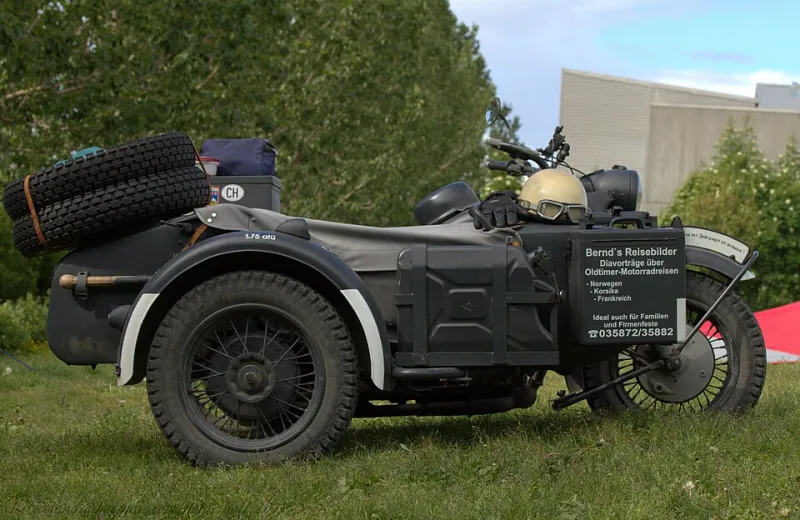
Photo: Candra Aditya Wiguna, CC BY-SA 3.0, via Wikimedia Commons
Somewhere between the s'mores and the sunrise, there's a stretch of time most camping content pretends doesn't exist. Dinner's done, the fire's burned down to coals, and you've got — depending on the season — anywhere from two to six hours before sleep makes sense. That gap is where camping either gets magical or gets miserable, and the difference is mostly preparation.
First Problem: Staying Warm Without Feeding the Fire All Night
The rookie mistake is throwing another log on at 9 p.m. and hoping. What actually works is planning your heat in layers, same as you would for your body. Let the fire burn down intentionally around 10 — a good coal bed radiates steadier warmth than flames anyway — and shift your comfort strategy to gear.
A hot water bottle in a sock, dropped into your sleeping bag twenty minutes before you climb in, is embarrassingly effective. So is the old trick of changing into dry, dedicated sleep layers. The base layer you hiked in holds sweat, and sweat plus a 45-degree night equals a shivering 2 a.m. If you're a hot drink person, a small insulated flask keeps cocoa or tea viable until midnight without a trip to the fire ring.
What to Actually Do Out There
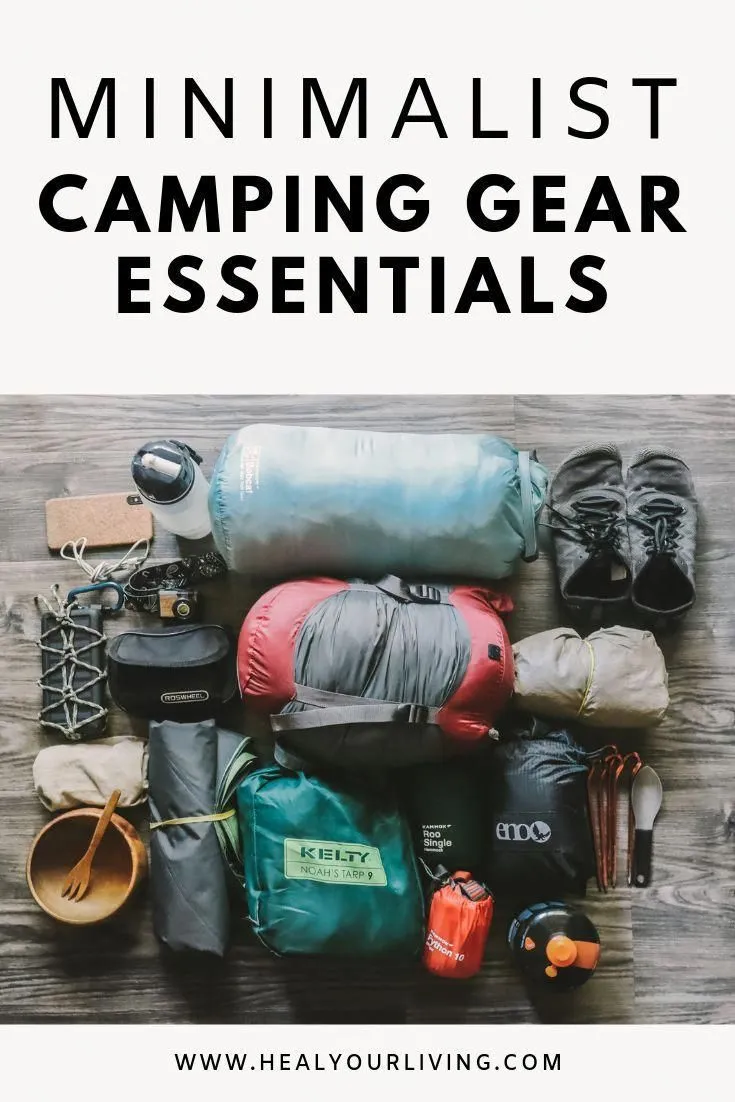
Once you're not fighting the cold, the quiet hours open up. A few things that have earned permanent spots in our camp kit:
- A downloaded star chart app. SkyView, Stellarium, or Star Walk all work offline — download the data before you lose signal. Point your phone at the sky and suddenly the confusing smear of stars has names.
- A headlamp with a red-light mode. Non-negotiable. White light kills your night vision for a solid twenty minutes, and red preserves it — yours and everyone else's at the campground.
- A real deck of cards. Phones die in cold weather. Cards don't.
- A journal or a paperback. Reading by headlamp in a hammock is one of the last honest pleasures left.
The point isn't to replicate your living room outdoors. It's that boredom, at camp, tends to turn into the stuff you remember.
Know Your Sky: A Regional Night Guide
What you'll see overhead depends heavily on where you've pitched:
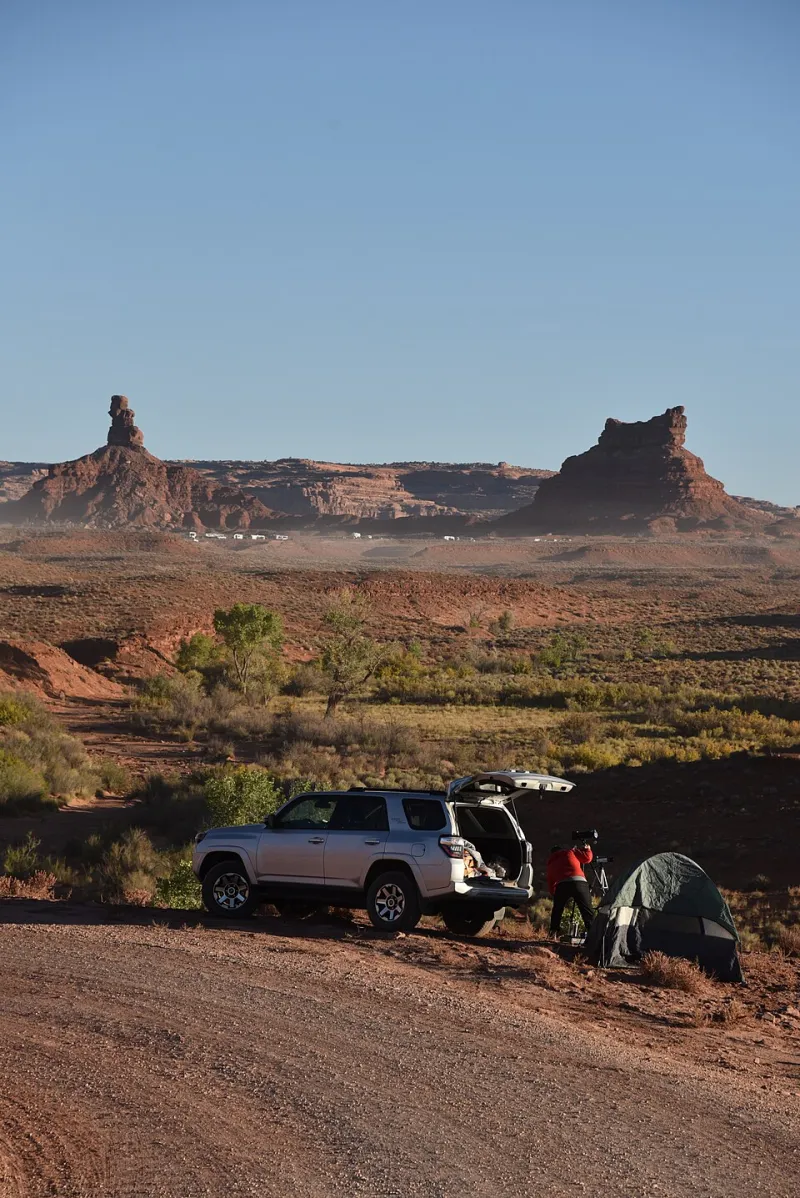
The Southwest (Arizona, Utah, New Mexico): The best stargazing in the lower 48, full stop. High desert elevation plus dry air plus distance from cities means the Milky Way isn't a smudge — it's a structure. Death Valley and Natural Bridges National Monument have certified dark-sky designations. On a moonless night, your shadow is cast by starlight.
The Rockies (Colorado, Montana, Wyoming): Cold air means crystal clarity, especially in September and October. The trade-off is temperature — bring the good sleeping bag. Look for Perseus and Cassiopeia rising in the northeast on fall evenings.
The Southeast (Smokies, Ozarks, Appalachians): More humidity, more haze, but fireflies in May and June more than make up for it. The chorus frogs and katydids are the real show here — bring earplugs only if silence is what you're after.
The Pacific Coast (Olympic, Big Sur, redwoods): Fog is the wildcard. Coastal marine layers can erase the sky entirely, so check the forecast and treat a clear night as a bonus, not a plan. When it cooperates, though, the sky over the ocean in winter is spectacular.
The Great Lakes and Northeast (Adirondacks, Boundary Waters, Maine): The far north woods get genuinely dark, and if you're up here in the right window — late fall, high solar activity — the aurora occasionally dips far enough south to make an appearance. Check the NOAA space weather forecast like you'd check rain.
Low-Light Rituals That Don't End in a Trip Report
A word on safety, because the dark hours are when small problems become big ones. Keep your headlamp where you can find it without looking — same spot every night, in the tent vestibule or jacket pocket. Know where your first aid kit is before you need it. If you're cooking after dark, do it with a lantern and a level surface, not by firelight and vibes.
And a note on campfires: check the regulations every single time. Fire restrictions in the West now run deep into fall, and many high-use areas require purchased firewood to stop invasive beetle spread. The quiet hours are quiet for a reason — most campgrounds enforce them from 10 p.m., and the person running a generator at midnight is never the popular one.
Let the Night Be the Destination
We plan entire trips around trailheads and summits, then treat the night as dead time between activities. Flip it once. Pick a campground with a dark sky, skip the ambitious itinerary, and stay up. The coyotes start around 11 in most of the West. The stars rotate overhead whether you watch or not.
Camp deeper, wander further — but honestly, sometimes the deepest part of camp is just the part after the fire dies.