Kick Off Your Shoes: The Campgrounds That Feel Like Coming Home
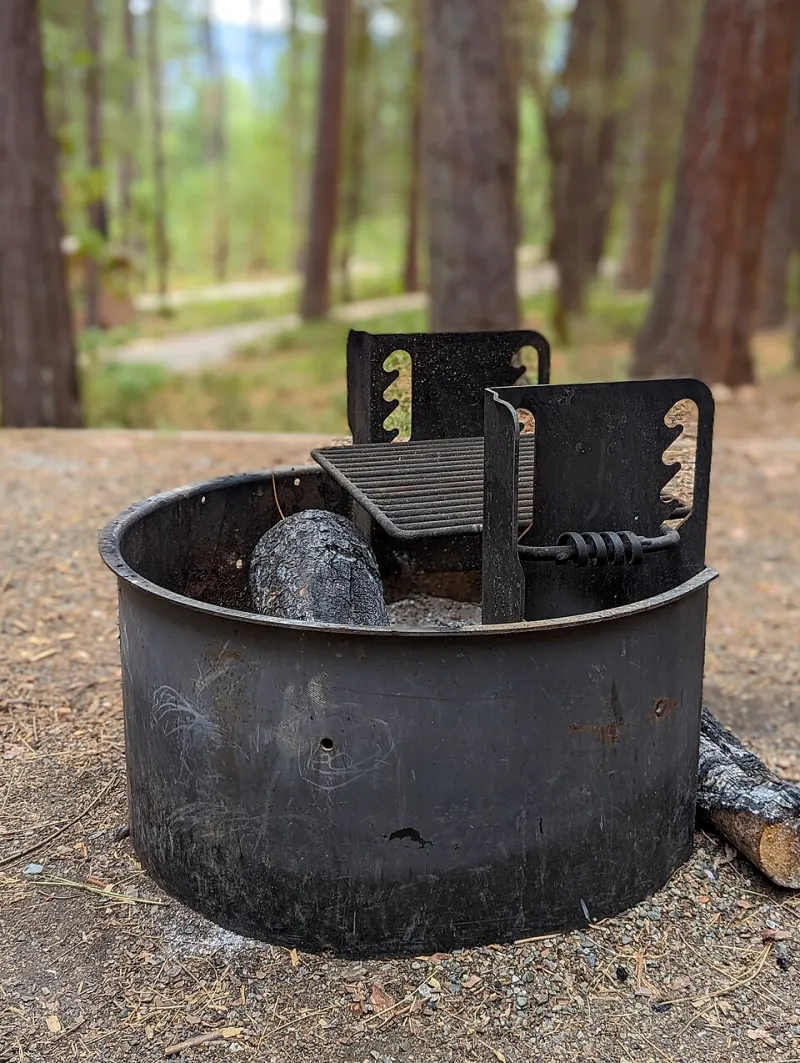
Photo: blmcalifornia, Public domain, via Wikimedia Commons
There's a moment at every great campground that you can't book online. It happens somewhere between backing the car in and unfurling the first chair: you kick off your shoes, feel the ground under your feet, and something in your shoulders unclenches. The site fits. You're home.
We've been chasing that feeling for years, and we've come to believe it's the single most underrated quality in American camping. Call it the porch feel — that front-porch ease where neighbors wave, the fire ring is the town square, and nobody's checking their watch.
What Actually Creates the Porch Feel
It's not thread count on a yurt mattress or a fancy bathhouse (though clean restrooms never hurt). The porch feel is built from small, human-scale details:
- A shared focal point. A communal fire ring, a creek bank with flat rocks, a long picnic table under a big tree. Places where strangers become storytellers.
- Hosts who remember. A campground host who greets you by name on your second night is worth more than any amenity.
- Walkable intimacy. Sites close enough that a borrowed marshmallow skewer is a two-minute errand, spaced enough that you're not sleeping in someone's snore zone.
- Texture underfoot. Soft pine duff, worn grass, smooth gravel paths. Ground you actually want to feel.
- Slow rhythms. No blaring PA, no strict checkout theater. Just the day unfolding.
Campgrounds That Nail It
Chattahoochee Bend State Park, Georgia. The walk-in sites here have a front-yard quality — you pass neighbors on the way to the river, and the park's small size means the same faces keep reappearing at the overlook.
Lost Creek State Park, Montana. Tiny, tucked against limestone cliffs, and built for lingering. The campfire talk travels site to site in the evenings like a slow relay.
Mew Lake Campground, Algonquin-style energy but in Minnesota's side of the border country — specifically, look at the small municipal campgrounds around Ely, Minnesota. Gateway towns to the Boundary Waters often have mom-and-pop campgrounds with loaner canoes, a bulletin board of trail conditions, and hosts who've paddled every lake and will happily redraw your route on a paper map.
State park campgrounds in the Ozarks, Missouri. Places like Echo Bluff have that lodge-porch energy — rockers, a creek, and families who've been coming for three generations.
The Porch-Feel Checklist
Before you book, run a site through these questions:
- Is there a natural gathering spot, or is every site an island?
- Do reviews mention the host by name — warmly?
- Can you walk to water, a trail, or a view without driving?
- Is the ground soft, shady, and inviting — or packed dirt and gravel parking pad?
- Does the campground have a rhythm (quiet hours that people actually keep, a morning coffee crowd)?
- Would you be embarrassed to linger, or would lingering feel like the point?
Score four or more, and you've likely found a keeper.
Why It Matters
Camping gear gets all the attention, but the setting does most of the emotional work. The best trip we took last season involved a $60 tent and a campground where the host left out a jar of fresh-picked blackberries. We stayed an extra night. Of course we did.
So the next time you're scrolling reservation sites at midnight, skip the amenity filter for a minute. Look for the porch feel. Then take your sandals off and stay a while.