Second Summer, Short Light: A Late-November Camping Plan for the Gulf and Desert
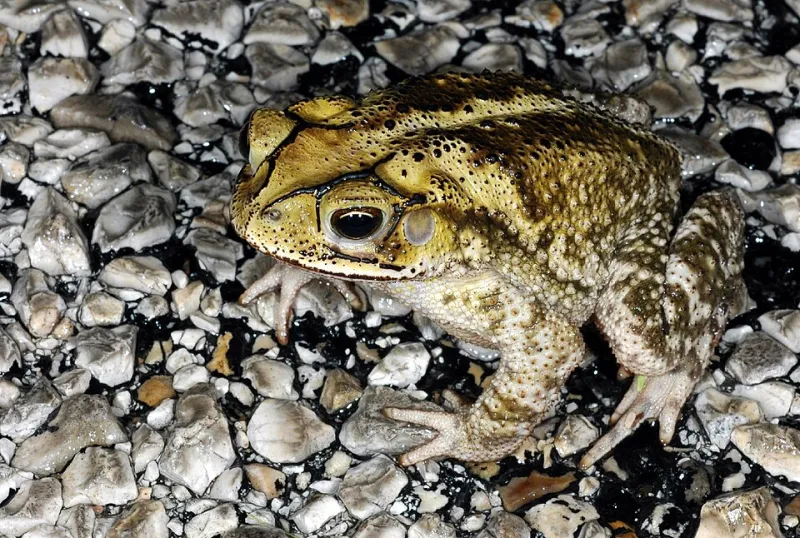
Photo: Clinton & Charles Robertson from Del Rio, Texas & College Station, TX, USA, CC BY 2.0, via Wikimedia Commons
As of late November 2026, the camping map has flipped. The high country is getting its first serious snow, many northern state parks have shut off the water, and the reliable summer trip has become a gamble. But from the Gulf Coast to the desert Southwest, a second window is open. The crowds are thinner, the light is lower, and the nights are cool enough to make a campfire feel like a gift.
This is not summer. That is the point. Late November camping in the lower South and Southwest rewards people who plan around short days instead of fighting them. You do not need a different tent. You need a different rhythm.
Why Late November Works Down Here
The Gulf Coast is coming off hurricane season and into its dry, mild stretch. Daytime highs often land in the 60s and 70s, with nights in the 40s and 50s. The desert Southwest is similar at lower elevations, though the swing between afternoon and midnight can be dramatic. In both regions, the heat that makes summer camping miserable has broken, and the bugs are less of a committee.
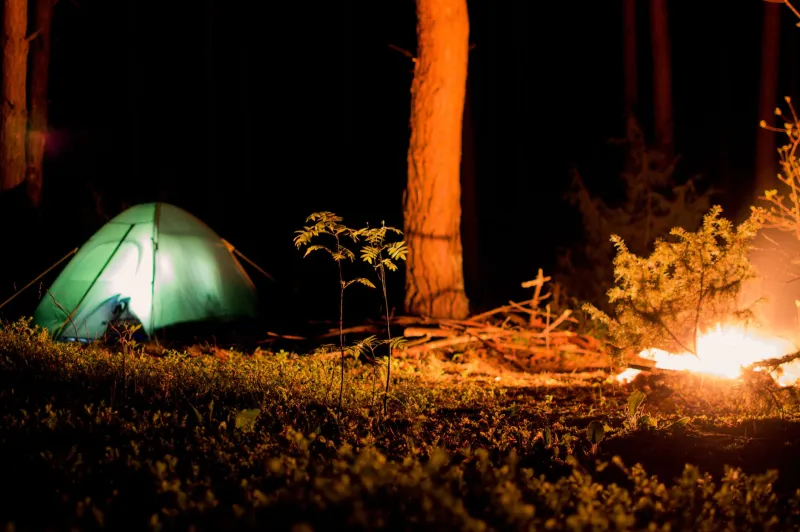
The trade-off is daylight. By the last week of November, sunset is around 5:30 p.m. on much of the Gulf Coast and closer to 5:15 p.m. in the desert. That means camp setup at 4 p.m. feels late, dinner at 5:30 feels normal, and the lantern comes out earlier than your summer instincts expect. Plan for it and the short day feels cozy. Ignore it and you will be cooking by headlamp again.
The Gulf Coast: Salt Air and Open Campgrounds
Start in Alabama and Florida if you want the easiest version of this trip. Gulf State Park in Alabama has paved pads, trails, and enough infrastructure to make a cold snap manageable. Henderson Beach State Park in Florida is a classic for a reason: sand, scrub, and quick access to town if the weather turns. Mississippi's coastal parks and Louisiana's state parks offer a quieter version of the same idea, often with fewer out-of-state plates.
Texas is the wildcard. Mustang Island and the Padre Island area can be delightful in late November, but wind is a real factor. Bring a sturdy tent and stake it like you mean it. Along the upper Texas coast, expect salt, marsh, and birds rather than postcard turquoise water. That is not a downgrade. It is a different coast.
Book early for the weekend after Thanksgiving, even in 2026. The holiday rush is mostly over by November 28, but plenty of people extend the long weekend. If you are flexible, Sunday through Tuesday is the sweet spot.
The Desert Southwest: Elevation Is Everything
In the desert, late November is not one climate. It is a series of climates stacked by elevation. Phoenix-area parks such as Catalina State Park and Dead Horse Ranch can be lovely, but check the overnight forecast. Higher desert parks in Arizona, New Mexico, and southern Utah may already be below freezing at night.
A good rule for late November: stay low. City of Rocks State Park in New Mexico sits in a strange and wonderful landscape of volcanic boulders, and its lower elevation helps. Valley of Fire in Nevada is another low-elevation option with short hikes and big color. In southern Utah, look toward the St. George area rather than the high plateaus. In West Texas, Hueco Tanks and the Davis Mountains can be excellent, but the Davis Mountains are high enough to demand a real winter sleeping bag.
Do not chase a desert campsite for the view alone. Chase water, shade, and a forecast you believe. Late November is generally dry, but a cold front can bring wind and rain fast. A tent that vents well in summer may need a fly that actually covers the door.
The Shorter-Day Packing List
The biggest mistake in late November is packing for the afternoon and forgetting the evening. Add these items to your normal kit:
- Two headlamps, or one headlamp and one lantern, plus spare batteries.
- A warm hat, gloves, and a puffy layer that lives in the tent, not the car.
- A tarp or extra ground cloth for dew and light rain.
- Reflective guy lines or small lights so you can find your tent after dark.
- A real cooler strategy. Cold nights help, but warm days still melt ice.
- A camp stove you can light without fumbling in the dark.
- A thermos or insulated bottle for hot water before bed.
The daylight change also affects solar gear. A small solar panel that kept your battery bank full in July may struggle in late November. Charge the bank on the drive and treat solar as a bonus, not a plan.
A Simple Three-Night Rhythm
On the Gulf Coast, use daylight for the beach and the bay. Hike or paddle in the morning, eat lunch outside, and start dinner by 4:30. Save the campfire for the long dark. In the desert, flip it: hike in the morning and late afternoon, rest through the warmest part of the day, and set up camp early enough to watch the light change on the rocks.
Wherever you go, check fire restrictions, hunting seasons, and campground water schedules before you leave. Some Southern parks turn off showers in winter. Some desert sites have no water at all. Late November is still a real season, not a loophole.
The second summer is shorter, cooler, and quieter than the first. That is exactly why it is worth chasing.