Read the Reviews Like a Detective: Predicting Campground Noise Before You Book
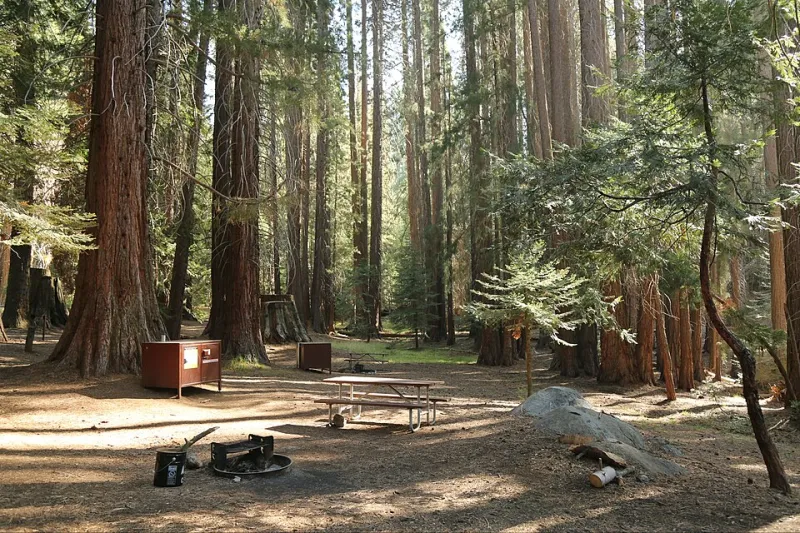
Photo: NPS photo, Public domain, via Wikimedia Commons
There's a special kind of heartbreak in arriving at a campground you booked three months ago, unrolling your sleeping bag, and lying awake at midnight while a lifted pickup idles two sites over. You did the research. You read the reviews. And still, the noise found you.
Here's the thing: most campers review a campground based on the daytime experience — the swim beach, the trailheads, the shade. Noise gets a passing mention, if any. But if you sleep light, noise is the whole review. So we started treating campground research like detective work, combing listings for the small clues that predict how a place sounds at 10 p.m. It's surprisingly doable once you know what to look for.
Start With the Map, Not the Photos
Before you read a single review, pull the campground up on a satellite view. You're hunting for a few specific things.
Highways and rail lines. A road that looks minor on a map may still carry logging trucks at 5 a.m. Trace the access road back to the nearest highway. If the campground sits within a half mile of an interstate or a freight line, assume you'll hear it — sound carries farther in valleys and across open water, especially at night when everything else goes quiet.
Water. A riverfront site is a classic trade-off. Moving water masks neighbor noise (a genuine blessing) but produces its own constant white noise. Some light sleepers love it; some find it keeps them up. Know which one you are before you book.
The boat ramp. If there's one on the map, note where the campsites cluster relative to it. Sites near the ramp hear early-morning trailers and late-evening parties. This is one of the most reliable predictors on any map.
Decode the Reviews for What They Don't Say
Reviews that mention noise directly are useful, but the absence of noise talk is more useful still. Sort reviews by keyword — try "quiet," "loud," "generator," "party" — and see what surfaces. Then read the positive reviews skeptically. "Great family atmosphere!" can mean anything from giggling kids to a full-blown Fourth of July weekend.
Watch for these tells:
- "Had the whole place to ourselves on a Tuesday" — lovely, but it implies weekends are a different animal entirely.
- "The hosts were so accommodating about our late arrival" — late arrivals happen everywhere, but a campground that advertises flexible check-in tends to have more coming and going after dark.
- "Bring your boat!" — boats mean ramps, ramps mean trailers, trailers mean engine noise at dawn and dusk.
Also check the dates on reviews. A campground's character can shift seasonally. The reviews from July will tell you more about party risk than the ones from October.
The Bathroom Placement Trick
This one sounds absurd until you try it. Bathhouses are the social hubs of any campground — people chat outside them, kids run to them, doors thump shut all night. If you can book a site more than a couple hundred feet from the bathhouse, do it. Satellite view or the campground map PDF will show you the layout. Sites that look "far from everything" on the booking page are usually the quiet ones, which is exactly why they're often the last to fill.
Generator Hours Are a Lifestyle Signal
Most public campgrounds post generator hours — typically something like 8 to 10 a.m. and 5 to 7 p.m. But the hours themselves matter less than what they tell you about the crowd. A campground with generous generator hours and full hookups nearby caters to RVers, and RVers run air conditioners, satellite dishes, and occasionally outdoor speakers. If you're in a tent, look for walk-in, tent-only, or hike-in loops. Not because RV campers are bad neighbors — most aren't — but because a tent-only loop is structurally quieter. There's no engine to run.
The Party-Crowd Fingerprint
Some patterns show up again and again in listings for campgrounds that get loud:
- Proximity to a lake with a marina, especially one that rents pontoons
- Sites grouped in open meadows rather than separated by trees (open sightlines invite group gatherings)
- A camp store that sells a lot more than firewood
- Photos in the listing showing large groups, string lights, and cornhole setups
None of these are disqualifying. But if you're the person who turns in at nine, know what you're signing up for — or book the site at the far edge of the loop, upstream of the action.
When in Doubt, Ask the Host
Campground hosts answer phones and emails, and they know exactly which sites are quiet and which back up to the highway. A single question — "Which sites would you recommend for someone who's a light sleeper?" — gets you better intel than fifty reviews. Hosts would rather place you somewhere you'll be happy than field complaints later.
The Last Word
No research method is perfect. Weather changes how sound travels, and every campground has that one weekend. But an hour of detective work — map, reviews, layout, a call to the host — shifts the odds dramatically in your favor. And when you finally find a place where the loudest thing at midnight is the wind in the pines, book the same site for next year. Quiet campsites, like good neighbors, are worth holding onto.