Dark by Seven: Three Nights Living Entirely on Solar Time
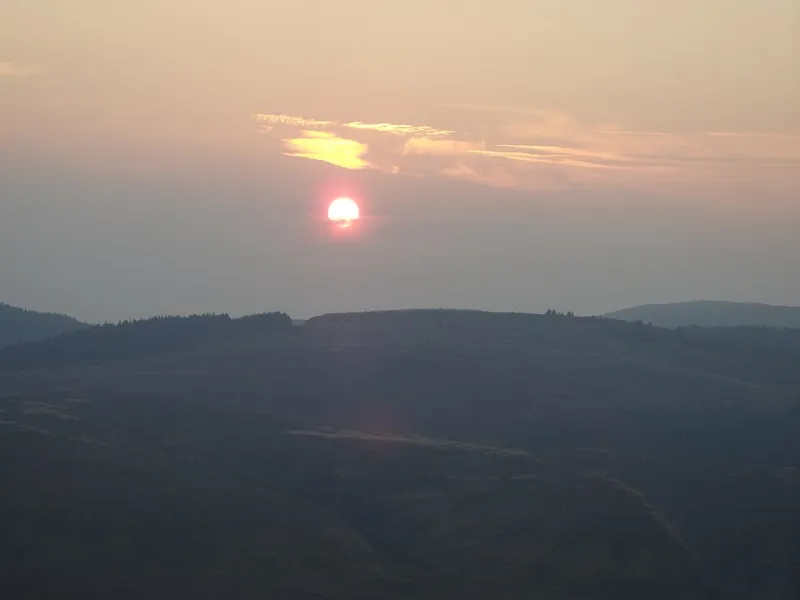
Photo: Michael Graham , CC BY-SA 2.0, via Wikimedia Commons
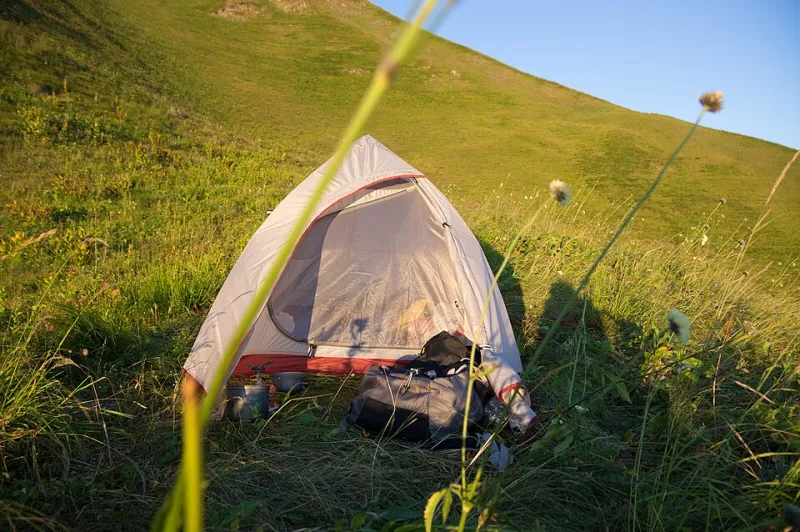
The rule was simple, almost stupidly so: when the sun went down, so did I. No headlamp. No lantern. No phone screen glowing blue at the picnic table. Three nights at a small campground in the Sierra foothills, running my entire camp life on daylight like some kind of analog homesteader.
I'll be honest about why I did it. Somewhere in the last few years, camping stopped being dark for me. I'd string up lights, keep a lantern burning till eleven, doomscroll under a quilt while the actual night hummed outside my tent, ignored. I was camping in a brightly lit bubble of my own making. So I packed the headlamp in the car — technically allowed, emotionally banned — and made a deal with the sun.
The First Evening Is the Hardest
Night one nearly broke me. Sunset in the Sierra in early fall lands around 6:40, and by 7:15 I was standing in the blue-dark with half-washed dishes, feeling genuinely anxious. What do people DO right now?
The answer, it turns out, is nothing. And then, eventually, sleep.
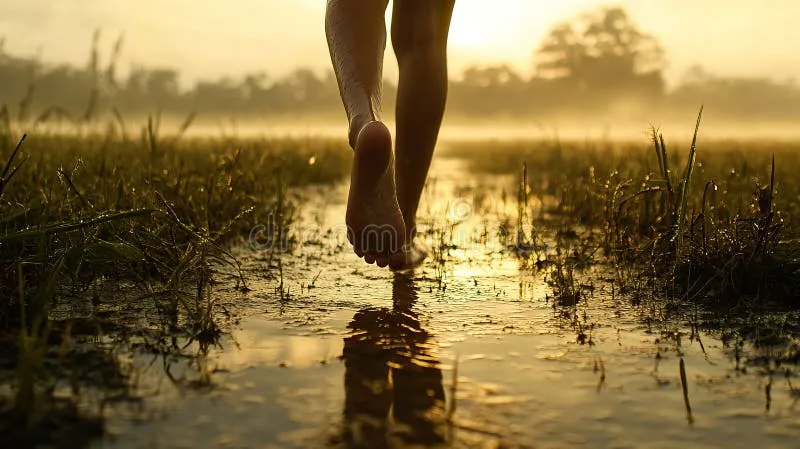
I crawled into the tent at what my watch insisted was 8 p.m. and was unconscious by 8:30. I had not gone to bed before nine since roughly middle school. Waking happened around 5:45, unprompted, to birdsong and a pink sky doing its thing over the ridge. That first morning, coffee at dawn with zero grogginess, felt almost like cheating.
What Changes When You Cook for a Deadline
Daylight-only camping reshapes your whole rhythm. Dinner becomes a 5:30 affair, not a 9 p.m. project. You learn to pre-chop before you're hungry. You stop fiddling. There's no ambient light to linger over a third round of quesadillas, so you make one good meal and you make it count.
Reading happened in the golden hour, propped against a log, instead of in a sad pool of lantern light at midnight. Conversations — I dragged my sister along for night two — happened at the picnic table while there was still something to look at besides each other's faces. Weirdly, we talked longer and better with a deadline. The dark coming on does what a dinner reservation does: focuses everyone.
Picking a Campsite That Works With the Sun
This experiment is also, quietly, a site-selection guide. Not every campground supports solar living. Here's what to look for:
- Open western exposure. You want the sunset visible from camp, not blocked by a wall of lodgepole. Meadows and lake shores are your friends.
- Canopy gaps, not clear-cuts. Dappled light through ponderosa feels lovely; solid shade means your evening starts an hour early.
- East-facing water. Sites that look east across a lake or valley serve up a full sunrise show from your sleeping bag.
- Minimal light pollution. Check a dark-sky map before you go. The payoff for early nights is what you see when you inevitably step out for a bathroom run.
Where to Try It Yourself
A few US campgrounds practically designed for solar time:
- Great Sand Dunes National Park, Colorado — Piñon Flats campground, where the dunes turn apricot at sunset and the night sky is a certified Dark Sky park.
- Cherry Springs State Park, Pennsylvania — famously one of the darkest skies in the East. Astronomers bring telescopes; you can just bring a blanket.
- Assateague Island, Maryland — ocean-side sites where the sun comes up directly out of the Atlantic. You will be awake for it. That's the deal.
- Cedar Pass, Badlands National Park, South Dakota — sunset here is a public event. The whole campground quietly assembles.
- Joshua Tree's Hidden Valley area, California — boulders glowing orange, then a sky stuffed with stars forty minutes later.
What the Dark Gives Back
By night three, I'd stopped reaching for the headlamp out of habit — the car was close, but I didn't want it. Evening had become this wide, quiet room I'd been locking up for years. Coyotes somewhere east of camp. A moon bright enough to walk by. The strange luxury of being tired exactly when the day ends.
I'm not going full pilgrim. The headlamp lives in my pack now, same as before. But I've kept the habit of dark-by-nine, and the lantern stays in the bin. Turns out the best camp lighting setup is a sunset you can actually see, and the good sense to watch it instead of your phone.