Let the Current Pick Your Bedtime: Seven Days on a Wild and Scenic River
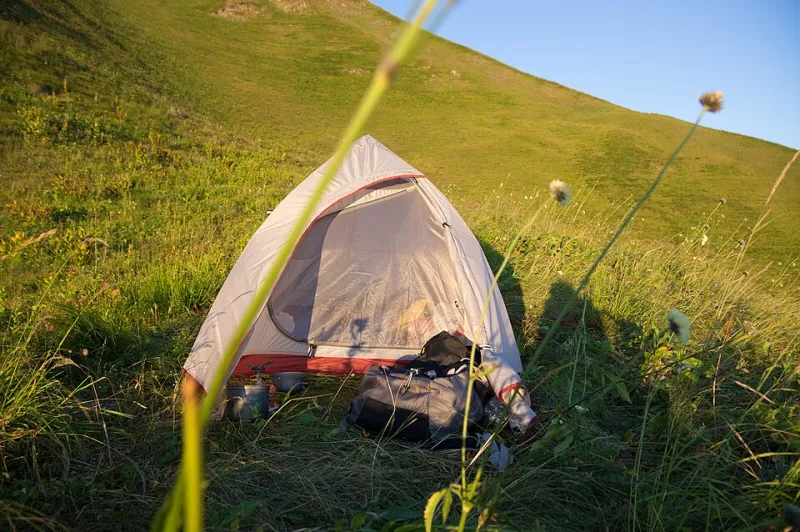
Photo: Vyacheslav Argenberg, CC BY 4.0, via Wikimedia Commons
Somewhere around day three on the Rogue, I stopped checking the time. Not because I'd achieved some back-to-the-land enlightenment, but because I didn't need it anymore. The river had taken over. Morning fog meant coffee first. The sun climbing over the ridge meant load the canoe. When the water flattened out and the shadows stretched long across a gravel bar, that was dinner. And when the frogs started up? Lights out.
Wild and Scenic Rivers are one of the best-kept open secrets in American camping. Congress has protected more than 13,000 miles of them since 1968 — rivers free-flowing enough that no dam, diversion, or development has tamed them. And along many stretches, you can legally camp right on the bank, often for free, with nothing between you and the water but a willow thicket and your own good judgment.
The Rules of the Bank
Riverside camping isn't a free-for-all, but it's friendlier than most people assume. On the Rogue River in southern Oregon, the famous 40-mile wild section between Grave Creek and Watson Creek requires a permit and designated campsites — the Bureau of Land Management runs a lottery that fills up fast for summer dates. But other rivers are looser. Pennsylvania's Clarion River, a designated reach through Cook Forest country, allows dispersed riverside camping on state forest land with basic rules: camp 25 feet from the water, pack out everything, keep fires below the high-water mark where it's permitted.
The pattern holds across most designated rivers. Federal or state land adjacent to the river usually means dispersed camping is legal unless posted otherwise. Private banks are private, period. And in the desert rivers of the Southwest, you'll often find specific sandbar etiquette — camp above the high-water line, and never block access for other boaters.
Check the managing agency before you go. USFS, BLM, and state forest websites all spell out the rules, and they vary enough that assuming anything is how you end up moving camp at dusk.
Boats That Fit in a Hatch
The other thing that's changed the game: you don't need a trailer and a roof rack anymore. Packrafts have quietly made river camping accessible to anyone who can fit a boat in a duffel. I've paddled the Saline Bayou in Louisiana — a designated stream through the Kisatchie hills — in a boat that weighs less than my tent. Same rig handled the slow braided channels of the White Cliffs stretch of the Missouri in Montana.
If you're going the canoe route, a solo or tandem with some rocker will serve you better on twisty, log-strewn rivers than a straight-tracking racing hull. And regardless of boat, carry your gear dry. Dry bags beat dry boxes for weight, and a soaked sleeping bag turns day four into a character test.
What the Water Decides
Here's the part that no gear list covers. When you camp along a river, your schedule stops being yours. Water level changes everything — a run that took an hour in May might be a gravel-dragging slog in August, or a churning rapid after a storm upstream. River people learn to read the USGS gauges before a trip and adjust expectations, but out there, you adjust in real time.
The rhythm that replaces the clock looks like this: break camp after the mist burns off, because paddling through fog is how you miss the heron. Stop when the current offers a good eddy and a shade tree, not because it's lunchtime. Make camp early — riverbanks all look the same at dusk, and the good gravel bars go to whoever gets there first.
It sounds passive, but it's the opposite. You're paying attention constantly, just to different things than you would on a reservation-based trip. No check-in time means you notice the light, the wind direction, the sound of a riffle around the bend. It's the difference between following a schedule and following the country.
Where to Start
Three rivers for a first clock-free week:
- The Rogue, Oregon. If you can win the permit lottery, it's the gold standard — hot springs, ledge rapids, and named camps with tables and fire rings. If you can't, the middle section above Grants Pass offers easier access and no permit headache.
- The Clarion, Pennsylvania. Slow, forgiving water through hemlock and hardwood, with the kind of East Coast accessibility that makes a three-day weekend trip realistic. Fall color here is absurd.
- The Eleven Point, Missouri. Ozark spring water, cold and clear, with gravel bars that beg for a tent. The National Scenic Riverways designation keeps it wild without making it remote-feeling.
Bring a paper map. River corridors confuse GPS, cell service is a rumor, and the best campsites never show up on an app anyway.
Trading Reservations for Ripples
I came off the Rogue with a sunburn, a repaired paddle, and a strange suspicion that most of my camping stress has always come from the clock. On a river, there's no late arrival fee, no checkout time, no campsite number to remember. There's just the water, moving at a speed that hasn't changed in ten thousand years, and your job of keeping up with it.
Book less. Float more. The current already knows when bedtime is.