Ground Truth: We Rated 12 Campgrounds by the Soles of Our Feet
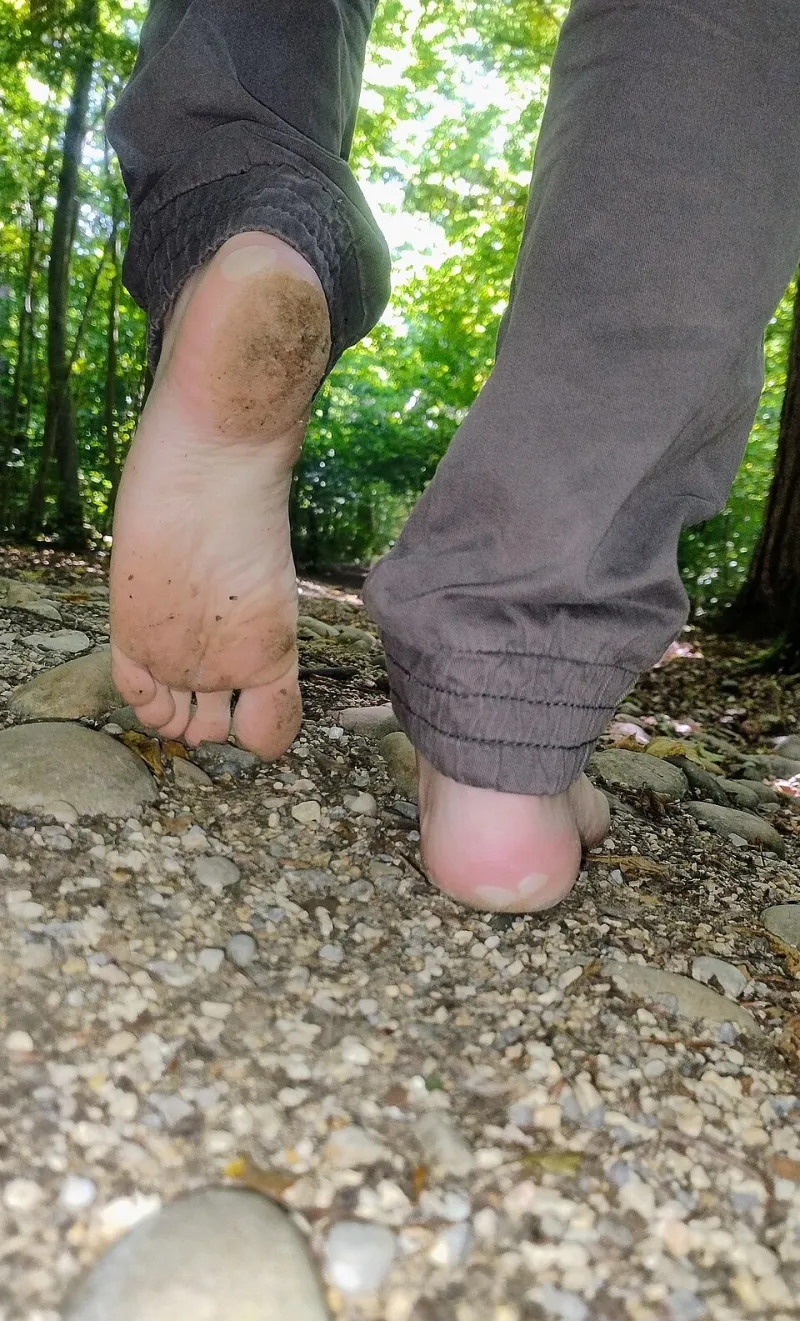
Photo: Affi-kun, CC0, via Wikimedia Commons
Every campground in America has a reviews page. Somebody always mentions the fire rings, the spacing between sites, whether the host waved when you rolled in. Nobody — and I mean nobody — mentions the ground.
That's a mistake. After a season of deliberately kicking off my sandals at the entrance loop of twelve campgrounds across the country and walking in, I'm convinced that how a campground feels underfoot tells you more about its design than any brochure ever will.
The Case for Going Skin-First
Ground texture is the campground's résumé. Soft, springy pine duff means the planners worked with the existing forest instead of bulldozing it. Firm, packed earth with a little give means foot traffic has been managed thoughtfully. Sharp, loose gravel dumped over hardpan? That's a place built for capacity, not for people.
Your soles are sensitive enough to catch all of it. They're also immune to marketing.
The Findings, Region by Region
The winners. The Northeast crushed it. A state forest campground in the Adirondacks built on a carpet of needles was so soft it felt slightly unfair. The Upper Peninsula of Michigan delivered moss and pine duff in equal measure. Out West, a Forest Service loop in the Sierra sat on decomposed granite — technically gritty, but warm and almost pleasant, like walking on a very fine beach.
The middle of the pack. Plenty of popular campgrounds scored fine but not great: mowed grass that hides sprinkler heads, hardpan that's fine until 2 p.m. sun bakes it into a griddle. Functional. Forgettable.
The losers. Every campground that had recently "improved" its sites with crushed rock scored terribly. I understand the drainage argument. I also understand that stepping on a jagged chunk of limestone at midnight on the way to the vault toilet is a formative experience.
The Rubric
Score each category 1–5 on your next trip:
- The Entrance Walk — How does the path from your car to your site feel? This is the designer's opening argument.
- The Midnight Route — Tent to bathroom, in the dark, no shoes. Would you make this walk barefoot by choice?
- The Site Itself — Take ten steps in any direction. Any surprises?
- Temperature Memory — Does the ground stay cool at midday or radiate heat like a skillet?
- The Recovery Factor — After one barefoot lap, do your feet feel massaged or mugged?
Anything above 18 out of 25 is a campground that respects the people sleeping on it. Below 12, pack the camp shoes and a headlamp you trust.
Why This Matters More Than It Sounds
I'll admit this started as a gimmick. But the more campgrounds I walked, the more the pattern held: the ones that felt good underfoot were also the ones with healthy trees, quiet sites, and hosts who clearly cared. Ground texture is a proxy for intention. Nobody accidentally ends up with soft pine duff.
So here's my pitch to campground managers everywhere: before the next round of gravel deliveries, take a walk. Barefoot. Your guests' feet already know the answer.