Walk Lightly: What a Pair of Zori Taught Me About Packing Less
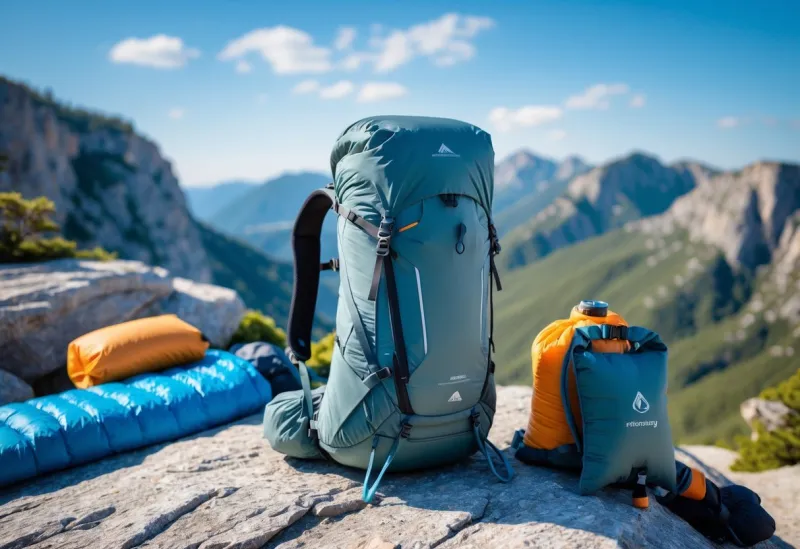
Photo: minimalist backpacker walking mountain trail lightweight gear, via koala.sh
There's a reason we named this site Zori. The zori is the traditional Japanese sandal — flat, simple, barely there. You can't stomp around in zori. You can't bulldoze a trail in them. You walk lightly or not at all.
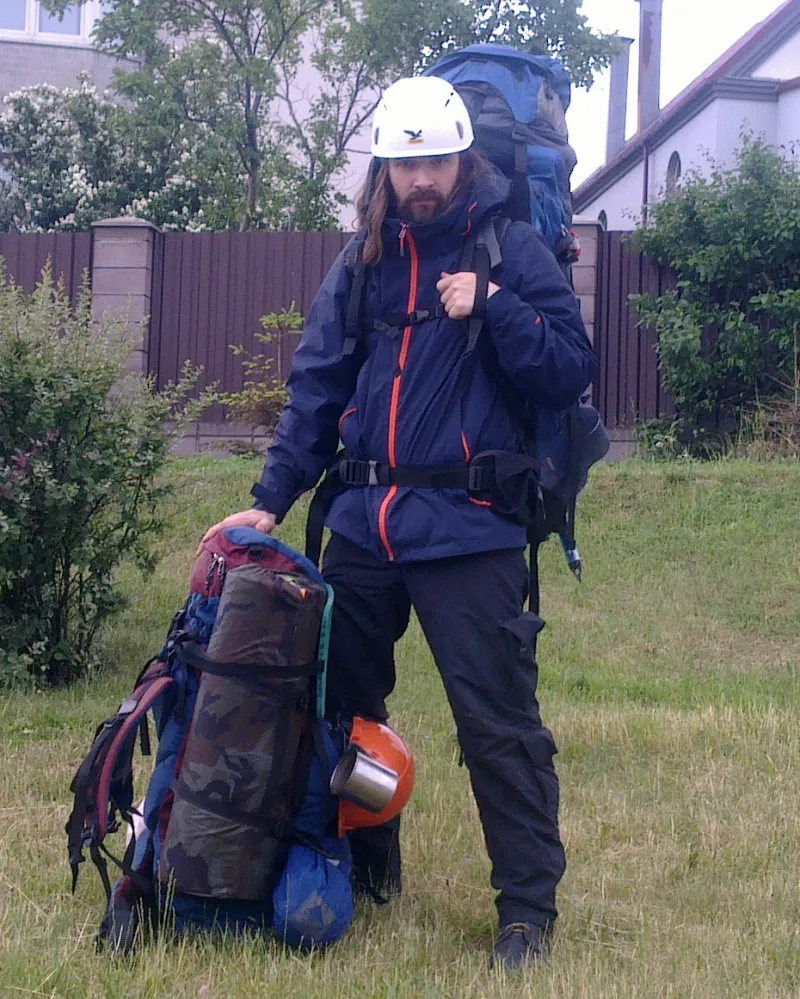
Somewhere along the way, American camping forgot that. We haul 80-pound packs to sites a quarter mile from the car. We bring camp chairs for chairs we'll sit in for twenty minutes. We pack for the trip we fear, not the trip we're taking.
I've done it too. I once carried a Dutch oven four miles into the Sierra backcountry. I used it once. I thought about its weight every single step.
The Weight You Carry Is the Weight You Feel
Here's the uncomfortable truth about gear: every extra pound doesn't just slow your feet, it narrows your attention. A heavy pack makes you calculate — how far to water, how steep the next rise, when can I stop. A light one lets you notice the thing you actually came for. The smell of Jeffrey pine. The sound a creek makes when it drops over granite.
Minimalist camping isn't about suffering or an ultralight pissing contest. It's about editing. Keeping what earns its place and letting go of what merely soothes the anxiety of what if.
Cutting Down Without Cutting Corners
You don't have to sleep on a foam pad and eat cold soaks to lighten up. A few honest edits go a long way:
Audit by hours of use. That camp chair gets four hours. Your sleep system gets eight. Spend weight where you spend time. A better pad beats a lighter stove.
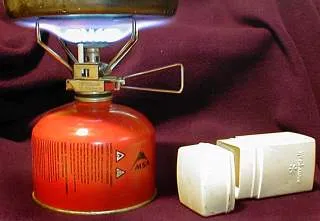
One pot, one spork, done. The two-burner camp kitchen is a car camping luxury. A single 750ml pot, a spork, and a pocket stove cover 95% of real meals.
Share the load. Camping with a partner? You don't each need a tent, a first aid kit, and a stove. Split the big four — shelter, sleep system, kitchen, water treatment — and watch 10 pounds evaporate.
Rethink water. A filter weighs less than two liters of water. Carry the filter, not the reservoir, wherever sources are reliable.
Leave the backup for the backup. Redundancy has its place on remote routes. On a weekend in a busy national forest? One headlamp and a spare set of batteries is enough.
What You Gain When You Give Things Up
The strangest part of trimming a kit is what shows up in the space you create. You arrive at camp earlier because you walked faster — or you wander slower because you can. You spend the evening watching light move across a ridge instead of organizing bins of stuff you didn't need.
There's a Japanese idea that fits here: wabi-sabi, the beauty of the imperfect and the enough. A tarp pitched slightly crooked. A dinner of rice and beans eaten from the pot. A trip that didn't go to plan but somehow went better.
Camp deeper. Wander further. Both start with the same move: carry less, so you can notice more.
Start small. Take your usual kit, lay it all out on the living room floor, and remove one item you didn't use last trip. Then another. You won't miss what you leave behind. And your feet — like a good pair of zori — will thank you.