Two Nights, Zero Regrets: Learning to Read the Sky Before You Pack the Car
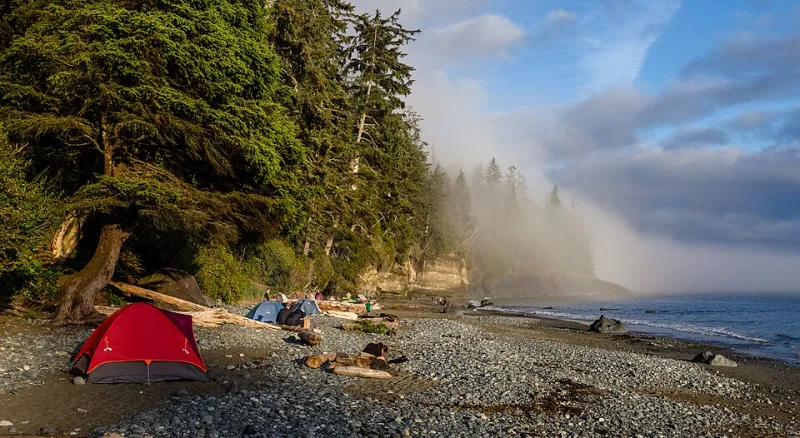
Photo: Michal Klajban, CC BY-SA 4.0, via Wikimedia Commons
There's a particular kind of heartbreak that happens at 3 PM on a Saturday, when the sky opens up over a campsite you drove four hours to reach. The forecast said 20% chance of rain. The forecast lied — or more accurately, you read it wrong.
The truth is that picking a good two-night window isn't about checking the little sun icon on your phone. It's about understanding what the numbers are actually telling you, and knowing which numbers matter for the corner of the country you're headed to.
The Hourly Forecast Is Your Best Friend
Skip the daily summary. Open the hourly view and look at three things: temperature swing, wind speed, and precipitation probability by the hour.
A day that goes from 85°F down to 48°F tells you something a daily high never will — that's desert or high-elevation air, dry and ready to dump its heat the second the sun drops. You'll want a real layer, not the hoodie you wore to the airport.
Wind matters most between 10 PM and 6 AM. A forecast showing sustained 15 mph winds overnight with gusts near 30 means you're about to have a very long conversation with a rainfly. Anything above 20 mph sustained and you should be rethinking that exposed ridgeline site.
And precipitation probability is not "chance it rains all day." It's the chance rain falls somewhere in the forecast area during that hour. Six consecutive hours at 40% is a very different trip than one hour at 80% sandwiched between zeros.
Watch the Barometer, Not the Icons
Falling pressure is the single most underrated forecasting tool for campers. When the barometric trend drops fast — more than about 0.03 inches of mercury per hour — weather is coming, and usually within 12 to 24 hours.
You don't need a fancy instrument. Most weather apps show a pressure trend line if you dig for it. A steady climb means stable air and a good window. A steep dive means pack your tent stakes like you mean it.
Clouds tell the same story if you'd rather look up. High, wispy cirrus on a clear day is often the opening act — a front is 24 to 36 hours out. When those thicken into a gray, featureless deck, the show has started. If you see towering cauliflower-shaped cumulus building by mid-afternoon, that's convection, and in mountain country it means lightning by dinner.
Regional Cheat Sheets
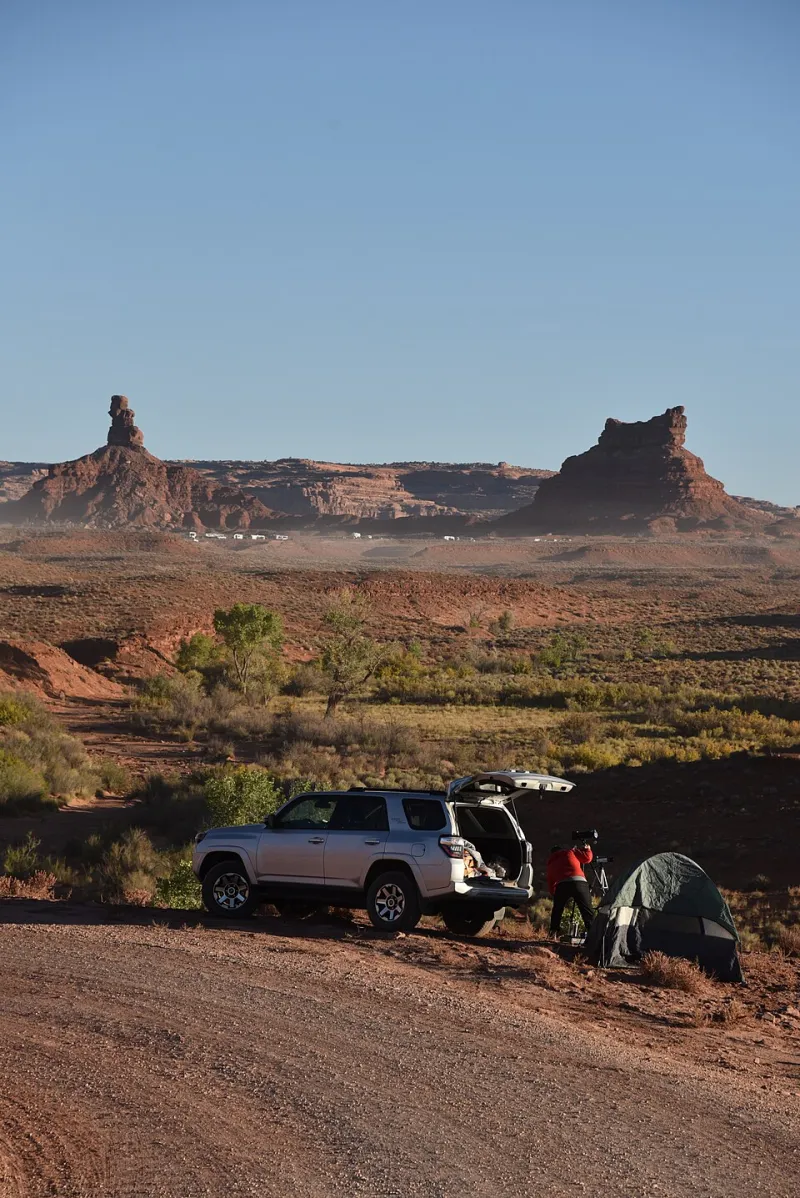
The Desert Southwest (June–September): The forecast can be 0% rain and still dangerous. Monsoon season means isolated flash floods that form in drainages miles from the storm itself. If you're camping in slot canyons or washes, watch radar coverage, not just your pinpoint forecast. Also: the 30-degree overnight swing is real, always.
The Gulf Coast and Southeast: Humidity is the forecast that doesn't get forecast. When dew points climb into the mid-70s, your rainfly will be soaked from condensation no matter what, and sleeping becomes a participation sport. Pop-up afternoon thunderstorms are the norm from June through August — plan hikes for mornings.
The Rockies and High Sierra: Afternoon lightning is a daily appointment in summer. The pattern is reliable: clear mornings, building clouds by 1 PM, storms by 3. Be below treeline by noon and you'll never have a problem. Shoulder seasons (late May, late September) offer the best windows but watch for late-season snow at altitude.
The Pacific Northwest: The rain shadow is real — the Olympic coast can be drenched while Seattle stays dry. The reliable window is July through early September, when a high-pressure ridge parks itself offshore. Outside that window, read the marine forecast: if onshore flow is forecast, the coast gets wet before the interior does.
New England and the Mid-Atlantic: Quick-moving cold fronts mean forecasts flip fast. Anything beyond four days out is a rumor. The sweet spots are late May–June and September–early October, when humidity drops and the bugs ease up.
When to Just Go Anyway
Here's the part the forecast can't measure: sometimes the trip is worth the rain.
If the worst-case scenario is a wet evening and a slow morning — and you've got a tarp, a dry layer, and a book — go. Some of the best campsites we've ever stayed at were empty precisely because a 60% chance of showers scared everyone else off.
The forecast deserves your respect when it comes to lightning, flash floods, high winds, and temperature extremes you're not equipped for. It deserves less respect when it comes to a chance of drizzle.
Read the sky. Respect the numbers. Then make the call yourself — that's the part no app can do for you.