Subtraction Is a Skill: The Gear We Stopped Bringing (and Never Missed)
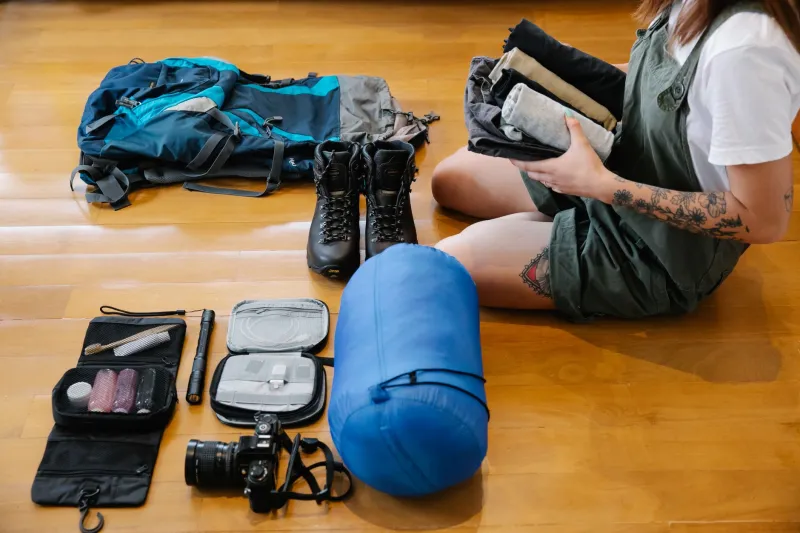
Somewhere along the way, camping became a packing problem. Open any outdoor publication this time of year and you'll find the same ritual: the 47-item checklist, the "ten essentials," the newest gadget that promises to make the woods feel more like your living room. We've written our share of those lists. This is not one of them.
This is the other list. The one about everything we stopped bringing — and why camp got better when we did.
The Third Pair of Shoes Problem
Start with the classic offender: footwear redundancy. Hiking boots, camp shoes, and — for reasons nobody can explain afterward — "just in case" sneakers. The sneakers never get worn. The boots hurt. The camp sandals do all the actual work from the moment you pitch the tent.
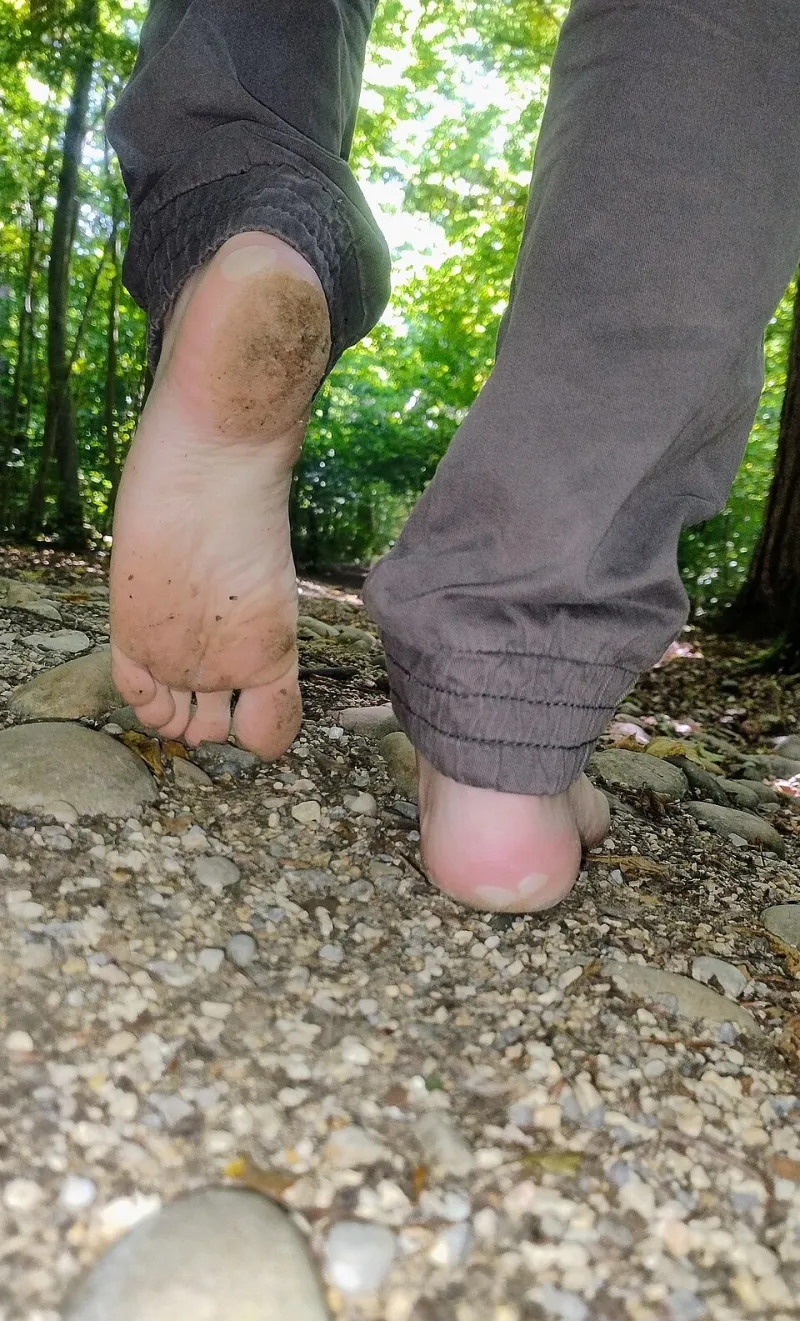
We named this site after a pair of sandals for a reason. The zori is the original camp shoe: flat, unbothered, ready for gravel, sand, or the trip to the bathhouse at midnight. One pair on your feet, one pair in the car. That's the whole footwear program. If you're car camping, you don't need a boot quiver. If you're hiking in, the boots earn their spot — but the third pair never does.
Single-Use Gadgets and the Museum of Good Intentions
Every seasoned camper carries a mental museum of gadgets bought with genuine optimism and used exactly once. The collapsible espresso contraption. The solar-powered fairy lights shaped like pineapples. The portable blender that drained its battery on the drive up and never recovered.
Here's the test we use now: if it only does one job, that job better matter. A headlamp does one job and matters enormously. A dedicated avocado-slicing tool at camp does not. Multi-use items earn their weight; novelties borrow it and never pay it back.
The honest exception: if a gadget genuinely brings you joy and you have the car space, bring the fairy lights. We're arguing against obligation, not delight.
The Clothes You Won't Wear
Lay out what you packed for your last weekend trip. Now count what you actually wore. For most of us, it's roughly half — and the unworn half is always the "outfit" clothes, the second hoodie, the jeans that seemed practical in a climate-controlled store.
Camping clothes follow a simple truth: you will get dirty, and then you will get dirtier. One shirt per day plus one spare. One warm layer. Rain shell. Hat. Done. The people who look most comfortable at a campground on a Saturday morning are invariably wearing the same thing they wore Friday night, and they could not care less.
What Actually Ruins Trips
Some things don't just take up space — they actively make camp worse. Our hall of shame:
- The giant cooler. It's half empty, it weighs forty pounds, and everything in it gets soggy anyway. Size your cooler to the trip, not to your ambitions.
- Excessive cookware. One pot, one pan, one spork each. The Dutch oven stays home unless the trip is about the Dutch oven.
- The speaker. We'll say it once. Nobody at the neighboring site wants your playlist. If you need it, wear one earbud by the fire and keep the woods sounding like the woods.
- Backup everything. Two headlamps, sure. Backup lantern, backup stove, backup chair — you're building anxiety, not redundancy.
Why Subtraction Is the Real Skill
Anyone can add. REI makes adding very easy. But knowing what to leave behind — that takes seasons of trial, a few overloaded cars, and the humility to admit the portable blender was a mistake.
And subtraction compounds. Less gear means faster setup, which means more evening. Lighter packs mean further trailheads, which mean fewer crowds. A simpler kitchen means cleanup takes ten minutes instead of an hour. Every item you cut buys back time, and time is the only currency that actually matters out there.
Start small. On your next trip, pick three things you packed last time and leave them home. Note what happened. We'd bet nothing did — and that nothing is exactly the point.
Camp deeper. Wander further. Carry less.