Rooster Alarm Clocks: What Farm Camping Gets Right (and How Not to Get It Wrong)

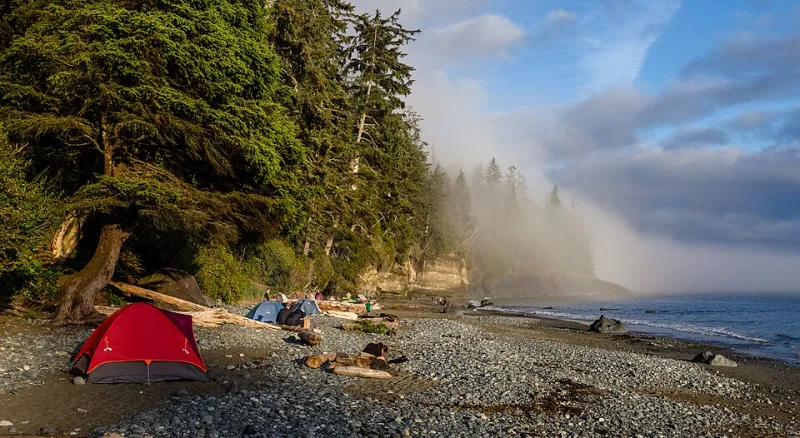
Photo: Kritzolina, CC BY-SA 4.0, via Wikimedia Commons
There's a moment on every farm-stay trip where you realize the brochure wasn't lying. The goats really do come up to the fence line at dawn. The tomatoes on the stand by the driveway really were picked yesterday. And yes, the rooster really does start at 5:40 a.m., sharp.
Farm camping has quietly become one of the fastest-growing corners of American outdoors culture. Platforms like Hipcamp list tens of thousands of working farms and ranches now, and the appeal is obvious once you've tried it: you get a legal place to pitch a tent, a host who knows the land, and a version of the countryside that smells like actual countryside instead of a parking lot.
But camping on someone's livelihood is different from camping in a national forest, and the learning curve catches a lot of first-timers. Here's what to know before you book.
You're a Guest on a Workplace, Not a Campground
That hayfield you're pitching next to? It's inventory. That gate? It controls livestock. The single most important mindset shift is understanding that a farm is a working operation first and your campsite second.
In practice, that means a few things:
- Close every gate you open. Every single time. Ask any rancher what ruins their week and it's a guest who left a gate open.
- Stay on marked paths. That "empty" field might be a cover crop, a septic drain field, or the one acre the farmer just seeded.
- Ask before wandering. Most hosts are thrilled to show you around — the barn, the orchard, the creek. But let them invite you.
- Leave the dogs home unless it's cleared. Even a friendly dog can spook sheep or harass poultry. Many farms allow them; plenty don't. Read the listing twice.
Expect the Sounds, the Smells, and the Schedule
Farm camping is not silent. Tractors run early. Irrigation pumps hum at night. Livestock are, well, livestock. If you're a light sleeper, pack earplugs and treat the 5:40 a.m. rooster chorus as part of the experience rather than a design flaw.
The flip side: you get things no campground offers. Fresh eggs left by your host. A sunset over a pasture with no power lines in it. Kids who've never seen a cow up close getting within arm's reach of one. Many hosts sell produce, honey, or meat on-site, and buying some is both a great breakfast plan and a small gesture that says you get it.
Farms Worth the Drive, Region by Region
The beauty of this niche is that every region does it differently.
The Northeast. Small dairy and orchard farms in Vermont and the Hudson Valley tend to be compact and intimate — think a few tent sites at the edge of a hayfield, farm stores, and cider doughnuts within walking distance.
The Southeast. In Georgia and the Carolinas, you'll find pasture-based livestock farms and pecan orchards that welcome campers, often with long gravel drives and big skies. Humid summers mean spring and fall are your windows.
The Midwest. Look for family operations in Wisconsin and Minnesota offering creek-side sites and, occasionally, real farm tours. It's the most affordable farm camping in the country.
Texas and the Plains. Working ranches here run big — hundreds of acres — so expect privacy, long horizons, and the occasional distant cattle serenade.
The West. Washington's Skagit Valley and Oregon's Willamette Valley are farm-camping goldmines: berry farms, flower fields, and vineyards where you can fall asleep a hundred yards from the crop that becomes your morning jam.
A Few Practical Notes
Book directly when you can, and message your host with an honest arrival time — farmers plan their day around guests. Bring cash for farm stands. Pack out everything; rural trash service is not a given. And if you love the stay, leave a detailed review. For a small operation, a good review is worth more than the camping fee.
Why This Niche Matters
There's something bigger happening here. A lot of Americans have never stood on the ground their food comes from, and farm camping closes that gap in the most low-stakes way possible — no membership, no program, just a tent and a pasture. Farmers get diversified income; campers get a story. It's a rare deal where both sides win.
So go. Set your alarm for the rooster anyway. He doesn't care about your schedule, and honestly, that's kind of the point.