The Coals Know What They're Doing: A Weekend of Cooking Without a Single Stove
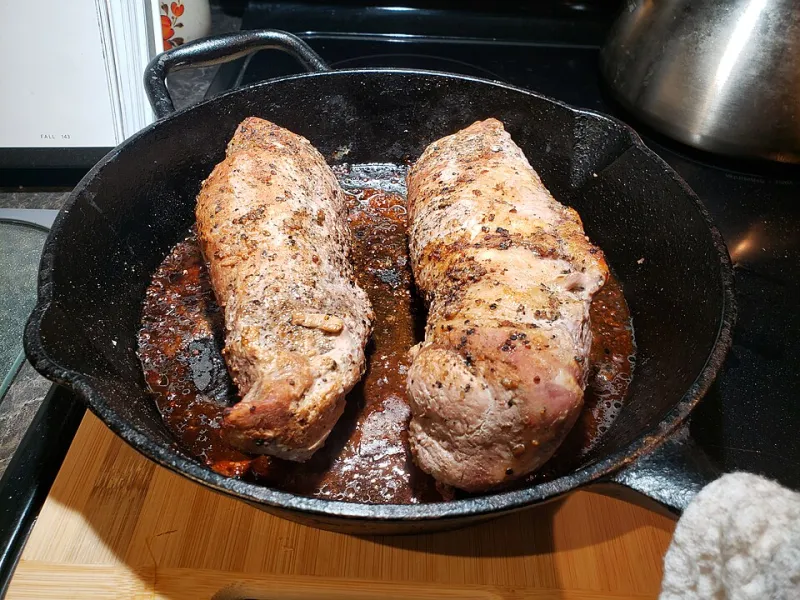
Photo: Taylorderek, CC BY 4.0, via Wikimedia Commons
There's a moment on every stove-free camping trip — usually about forty minutes after you think dinner should be ready — when you either curse the fire or surrender to it. Surrender is the right move. Cooking every meal over coals isn't about proving anything. It's about slowing down until the fire sets the schedule instead of you.
We've talked before about how the best camp kitchens are the ones that feel like home in the dirt, not the ones with the most gadgets. This guide takes that idea one step further: what if the kitchen is just... fire?
Why Bother Ditching the Stove
A stove boils water in three minutes and asks nothing of you. That's exactly the problem. Cooking over coals forces you to read heat instead of turning a dial, and that skill compounds fast. By Sunday morning of your first stove-free weekend, you'll bank coals, judge flame height, and know — without a thermometer — when the griddle's ready for biscuits.
There's a practical case too. One fire, one grate, one skillet covers breakfast through dinner. Less gear in the car, less fuel to run out of, fewer things to forget.
The Short List of Tools
You don't need much, but a few items earn their space:
- A pair of long-handled tongs — your hands' first line of defense
- A 10- or 12-inch cast-iron skillet — heavy, yes, and worth every ounce
- Heavy-duty aluminum foil — for packets and for protecting skillet bottoms
- Leather work gloves — camp kitchen, not kitchen kitchen
- A small rake or stick for moving coals around; this is your burner knob
That's it. No tripod, no Dutch oven, no pie irons on trip one. Add those later if the bug bites.
Your First Stove-Free Weekend: A Plan
Friday dinner: foil packets, the training wheels of live fire. Dice potatoes, carrots, and sausage (or go veggie with peppers and halloumi), hit it with oil, salt, and paprika, and wrap it in a double layer of foil. Bury the packet in coals off to the side of the flame, not in it. Twenty-five to thirty-five minutes, depending on coal coverage. The beauty of packets is forgiveness — open one, poke a potato, rewrap if needed.
Saturday breakfast: bacon, then everything else. Here's the trick beginners miss: bacon renders fat, and that fat is your cooking medium. Start your fire early, let it burn down to a coal bed, set the skillet on a grate or on flat rocks, and cook the bacon slow. Then eggs in the grease, then — if you're ambitious — biscuits from a tube or a simple baking mix, lid balanced on top to trap heat. Burnt bottoms mean your skillet's too close to the coals. Prop it up or pull coals out from under it.
Saturday dinner: the coals take center stage. This is the night to try direct-ish cooking. Coal-grilled hot dogs are a rite of passage, but level up: butterflied chicken thighs or thick-cut pork chops seared over a bed of coals spread into an even layer. Spread the coals with your rake — an even layer is even heat. Flip early and often; live fire rewards attention, not absence.
Sunday morning: banking coals for coffee. Before bed, bury a few good-sized logs under ash. In the morning, dig into that banked bed, find the orange glow, feed it small dry wood, and you've got percolator heat in fifteen minutes without striking a single match. This is the skill that makes you feel like you've been doing this your whole life.
The Mistakes That Burn Dinner
- Cooking on flames instead of coals. Flames are for building a coal bed. Flames themselves are erratic, sooty, and cruel to food. Wait for the burn-down. Yes, even when you're hungry.
- Cooking directly over the fire. Heat should come from below via coals, or beside the fire where you can slide food in and out of the hot zone. You can't adjust a flame you're standing over.
- Packing thin foil. Single-layer foil on coals is a guarantee of a charred, stuck-on mess. Double-wrap everything.
- Impatience with the coal bed. A proper bed takes 30–45 minutes from match to cooking-ready. Plan a fire-starting ritual around it — this is when you make the campfire margarita or throw the frisbee.
- Skipping the ash trick. A thin layer of ash over coals steadies the heat for baking and long simmers. Old-timers bake bread this way. It works.
Leave the Fire Better Than You Found It
Use established fire rings where they exist, and check fire restrictions before you go — conditions vary wildly across the US, and a stove-free trip means extra responsibility, not less. Burn wood down to fine ash, drown it, stir it, and confirm it's cold before you walk away. A barefoot philosophy only works on ground worth standing on.
What You'll Take Home
Somewhere around the second morning, you'll notice you've stopped checking the time. The fire's pace becomes yours. That's the real payoff of the stove-free weekend — not the foil packets or even the biscuits, but the reminder that a kitchen can be a circle of stones and a little patience. Pack the skillet. Leave the stove. The coals know what they're doing.