Salt in Every Zipper: A Week of Free Beach Camping on the Oregon Coast
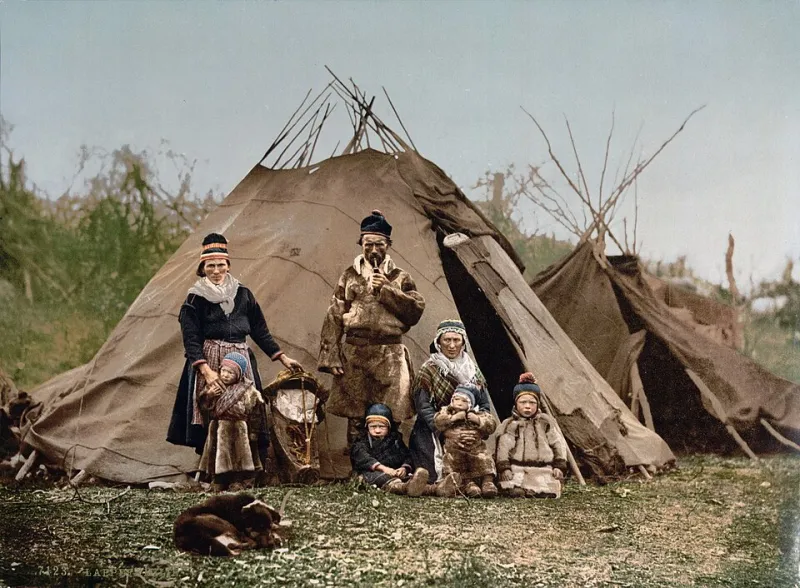
Photo: Unknown authorUnknown author, Public domain, via Wikimedia Commons
The campsite cost exactly zero dollars. The bill arrived anyway, paid out in damp socks, gritted tent zippers, and a Tuesday morning spent chasing a tarp across the beach like a kite with a grudge.
Oregon is one of the only states where you can legally pitch a tent on the ocean's edge. Since 1913, the entire 362-mile coastline has been public beach — every stretch of sand below the vegetation line belongs to everybody. Dispersed camping on those beaches is allowed in much of the state, outside state park boundaries and town limits, for free. You just have to earn it.
Here's what a week of cold-water coastal camping taught me about that exchange rate.
First Lesson: The Tide Chart Is Your Reservation System
There's no booking window, no recreation.gov login, no confirmation email. There's a tide table, and you'd better read it like a lease agreement.
I set up camp the first evening with what felt like a generous buffer from the waterline — twenty feet, maybe twenty-five. By two a.m. I was standing in the dark, headlamp on, moving my entire camp uphill in the rain while the Pacific swallowed my fire ring. High tide doesn't negotiate. Neither does a storm surge stacked on top of one.
Now I do the same thing every time: check the tide chart before choosing a spot, aim for the upper third of the beach, and give the driftwood line a wide berth — that's where the biggest winter waves dump their debris, which means it's where the water has been before.
The upside of this system? No reservations means no reservations stress. Show up, read the water, settle in. For a site built around the idea that nobody should have to book their own shoreline months in advance, that's a pretty beautiful deal.
Second Lesson: Wind Is the Landlord Here
On the coast, you don't fight the wind — you negotiate with it. The wind always wins eventually, so the goal is to make the terms livable.
My best move all week was borrowing a page from every old-school beach camper in Oregon: I camped behind a big driftwood log. The coast is littered with them, and a log the size of a sedan will cut the wind better than any tarp configuration. When no log was available, I built a windbreak from my car (on drive-up stretches), stacked dune-side, or angled the tent door away from the prevailing northwest blow.
A few gear notes that earned their keep:
- Sand stakes or deadman anchors. Standard tent stakes pull out of loose sand like they were never there. I buried stuff sacks full of sand as anchors and never looked back.
- A low-profile tent. Dome tents become sails. A low, tunnel-style shelter shrugged off gusts that flattened my neighbor's tall cabin tent on night three.
- Everything zipped, everything weighted. Wind on the coast isn't an event; it's a condition. Untied gear becomes someone else's problem down the beach.
Third Lesson: Salt Gets Into Everything
Salt is the fine print of the free campsite. It was on my stove, in my coffee, crusted into the tent zipper I had to work loose with a thumb every morning.
The routine that saved the trip was simple: a dedicated rinse. Every evening, I wiped down metal gear with a damp cloth. Every morning, I cracked the tent and aired it, even in fog — especially in fog, because coastal humidity plus a closed fly equals mildew by the weekend. When I got home, everything got a freshwater rinse and a full dry before it touched the gear bin. Skip that step and you'll open your tent next spring to a smell you can't unlearn.
Freshwater access is the real logistics puzzle. Some coastal towns have public spigots; I carried a collapsible jug and topped off whenever I passed through places like Yachats or Cannon Beach. Water is heavy, so plan around resupply rather than hauling a week's worth.
Fourth Lesson: Fog Is the Weather, Not a Weather Event
I came expecting rain. What I got was fog — days of it, a soft gray ceiling that turned the whole beach into a muffled room. The thermometer rarely dropped below fifty, but wet air wicks heat faster than cold air, so I dressed warmer than the numbers suggested and kept a dry set of sleeping clothes in a stuff sack that never left the tent.
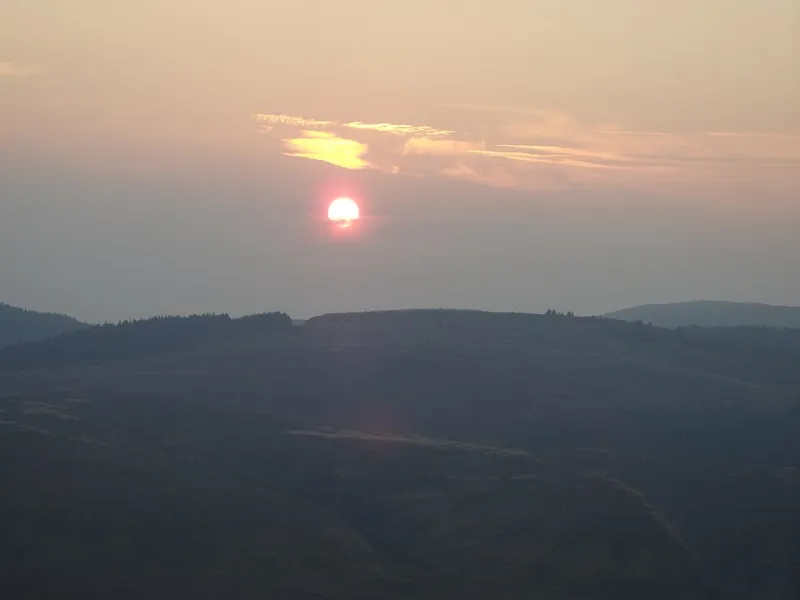
The secret nobody tells you: fog days are the good days. Crowds vanish. The beach goes quiet except for the surf. And when the fog burns off at six p.m. — and on the Oregon coast, it often does — you get a golden hour that feels stolen.
The Actual Price
By the last morning, I'd done the math. Zero dollars in fees. In exchange: one midnight tent move, two salt-stiffened zippers, a tarp incident, and a permanent fine grit of sand in my sleeping bag's foot box.
I'd make the trade again without hesitating. Beach camping on the Oregon coast doesn't cost money — it costs adaptability. You pay attention instead of paying a booking fee. You read the tide instead of a confirmation email. You carry a little more patience and a little less wallet.
That's the whole bargain, and honestly, it's the fairest deal in American camping.